Fortnite Reload ranked grind to Unreal in 24 hours shows what a day-one climb really costs
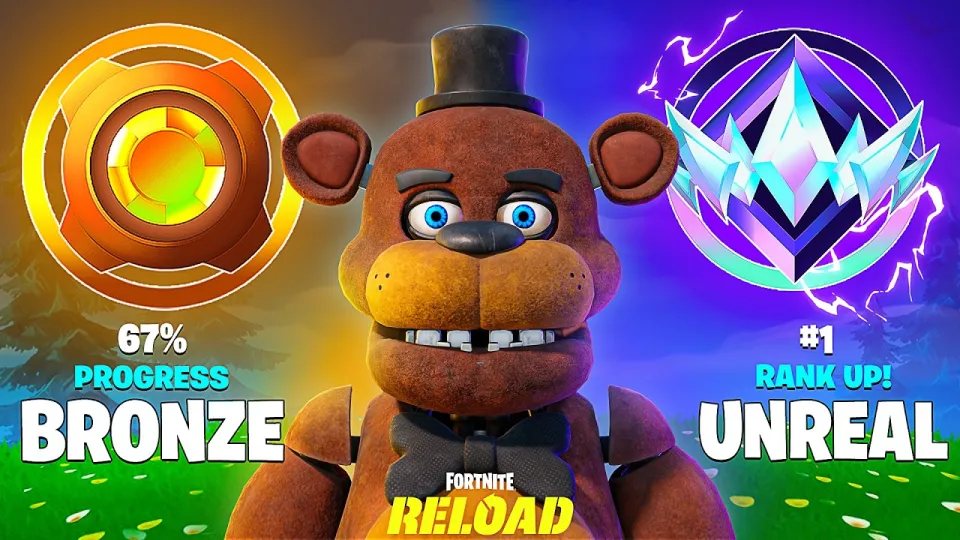
Video: I Played 24 HOURS for UNREAL! (Reload Speedrun on Day 1)
Want articles like this for your own video to promote it on YouTube and Google? Order them through the Telegram bot @sat_sit_bot. Articles with your video embedded are written and posted by the bot itself — on popular topical sites (no ads). Try it free: 50 articles on us.
· based on the channel TG Plays
Fortnite Reload ranked resets wipe the ladder and send everyone back to the bottom, so reaching Unreal in one sitting is a test of consistency rather than raw skill. TG Plays documented exactly that attempt: a zero-to-Unreal climb in Ranked Reload squeezed into a single 24-hour session on day one, with the whole grind built as a speedrun. Players who want the same maps the creator builds can follow the TypicalGamer Fortnite page for new releases and updates.
What the 24-hour Reload speedrun actually involves
A zero-to-Unreal run means playing Ranked Reload continuously until the top tier is reached, and the clock is the real opponent. Reload is the faster, respawn-based mode: squads can come back after elimination, matches are shorter than standard Battle Royale, and points swing quickly in both directions. That structure is what makes a one-day climb possible at all — but it also means a couple of bad games can erase hours of progress. The format rewards players who can keep their decision-making sharp after ten or fifteen matches, not just the ones with the best aim.
How Fortnite ranked points work after a reset
Ranked points are earned per match and scaled by placement and eliminations, and every reset pushes all accounts back to the starting tiers. The ladder runs from Bronze through Silver, Gold, Platinum, Diamond, Elite and Champion up to Unreal, with percentage progress shown inside each tier. Two rules matter most for a long session:
- Placement is weighted heavily — a top-five finish in Reload usually beats a high-kill game that ends early.
- Eliminations add points but are capped in value relative to survival, so farming fights alone rarely carries a climb.
- Progress percentages rise and fall per match, meaning a single bad drop can cost a visible chunk of a tier.
- Unreal sits at the very top of the ladder, so the final stretch is the slowest part of any grind.
That last point is why the closing hours of a 24-hour run feel so tense: the bar creeps toward completion while fatigue sets in.
Why day-one Reload lobbies feel so much harder
Ranked resets create a temporary compression of skill, because everyone is climbing through the same low tiers at the same time. Veterans who normally sit in Elite or Unreal are matched against casual players in the first hours, and the result is lobby quality that feels far above the rank badge on screen. This is a known pattern after every seasonal reset and explains why early matches in a new season can feel brutal even for experienced players. Waiting a few days spreads the population back out, but it also means the speedrun window closes — the whole appeal of a day-one climb is racing that chaos.
Practical tactics for climbing Reload fast
Consistency beats highlight plays in a long ranked session, and the tactics below are the ones that survive hour twelve. Reload rewards teams that land together, reset fights quickly and use the respawn mechanic instead of avoiding it.
- Land in a contested but familiar POI so early fights happen on your terms rather than in random rotations.
- Play for placement first in the middle hours, when reflexes dip; a quiet top-three is worth more than a risky third-party.
- Take breaks of five to ten minutes between blocks of matches to avoid stacking losses.
- Track your percentage after every match so you notice a downward trend before it becomes a lost tier.
- Squad up with the same players for the whole run; callouts and shared rotations improve with repetition.
Typical questions from viewers about the climb
Viewers watching a climb like this usually ask the same things, and the answers are practical rather than theoretical. The most common worry is whether the run can stall just short of the target — a real risk when the final percentage moves slowly and the session has already run for many hours. The second is difficulty: ranked Reload after a reset genuinely is harder than mid-season play, because the pool is denser with strong players. The third is mode choice — Reload's respawns make it more forgiving than standard ranked Battle Royale, which is exactly why it suits a speedrun format. And the fourth is whether a 24-hour session is necessary at all: a focused player spreading the same number of matches over three or four days will usually climb with less risk of a late collapse.
All links from the video
- Fortnite creator page with maps and updates: https://www.fortnite.com/@TypicalGamer
- JOGO studio page: https://www.fortnite.com/@JOGO
- Discord community: https://discord.gg/TypicalGamer
- Twitter: https://twitter.com/TypicalGamer
- Instagram: https://instagram.com/typicalgamer
What the run proves about Fortnite Reload ranked
Reaching Unreal in a single day is possible, but it depends on volume, placement discipline and a tolerance for the swingiest lobbies of the season. The climb is less about winning every fight and more about refusing to lose points in the matches where the odds are bad. A day-one window makes the challenge harder and more interesting at the same time, because the whole ranked population is climbing beside you. For anyone planning their own push, the takeaway is simple: protect placement points, keep sessions structured, and expect the last tier to take the longest. The full breakdown of this zero-to-Unreal attempt is available on the TG Plays channel, and you can follow the TypicalGamer Fortnite page to catch the creator's own maps and updates first.
Key takeaways
- Ranked Reload ranks reset, so every player starts the climb from the bottom again.
- TG Plays attempted a zero-to-Unreal run in a single 24-hour session on day one.
- The run was streamed as a speedrun format, with the final push decided at the very end.
- Day-one lobbies mix returning veterans with casual players, which makes early matches unpredictable.
- The creator's Fortnite maps and updates are published through the Epic code TypicalGamer and the JOGO studio pages.
Questions & answers
How long does it take to reach Unreal in Fortnite Reload?
There is no fixed number, because points per match depend on placement and eliminations. A dedicated player grinding Reload for many hours across several days can reach Unreal, while a single 24-hour session only works if most matches end in the top five. The final tiers always take the longest because progress percentages move slowly at the top.
Is ranked Reload harder right after a reset?
Yes. A reset pulls every skill level back into the same low tiers, so strong players and casual players share lobbies for the first days. That compression makes early-season matches feel much tougher than mid-season games at the same visible rank. The effect fades as the population spreads back out across the ladder.
Is Reload better than standard Battle Royale for a fast rank climb?
Reload suits fast climbing because respawns let squads recover from a bad fight and matches are shorter, so more games fit into the same time. Standard Battle Royale punishes a single early death far more heavily. The trade-off is that Reload lobbies can be more chaotic, especially on day one.
What happens if you finish a long climb just short of Unreal?
You keep the rank you reached and continue from that percentage in the next session, since progress is saved per account. Nothing is lost except the time invested, and the remaining points can be earned in a shorter follow-up session. That near-miss scenario is the main argument for spreading a grind across several days instead of one continuous run.
Source: I Played 24 HOURS for UNREAL! (Reload Speedrun on Day 1) · Markdown version